
Digital marketing has evolved dramatically over the last decade. What once began as simple online advertisements has transformed into a sophisticated ecosystem powered by artificial intelligence, automation, and data-driven insights.
Today, businesses rely heavily on digital channels to connect with audiences, build trust, and drive sustainable growth. As technology continues to evolve, the future of digital marketing will become more personalized, intelligent, and immersive.
Understanding these emerging trends helps businesses stay competitive and build stronger relationships with their customers in the digital world.
Table of Contents
- The Evolution of Digital Marketing
- Artificial Intelligence and Marketing Automation
- Personalization at Scale
- The Growing Power of Content Marketing
- Voice and Visual Search
- Privacy, Ethics, and Consumer Trust
- Emerging Technologies in Marketing
- Frequently Asked Questions
- Conclusion
1. The Evolution of Digital Marketing
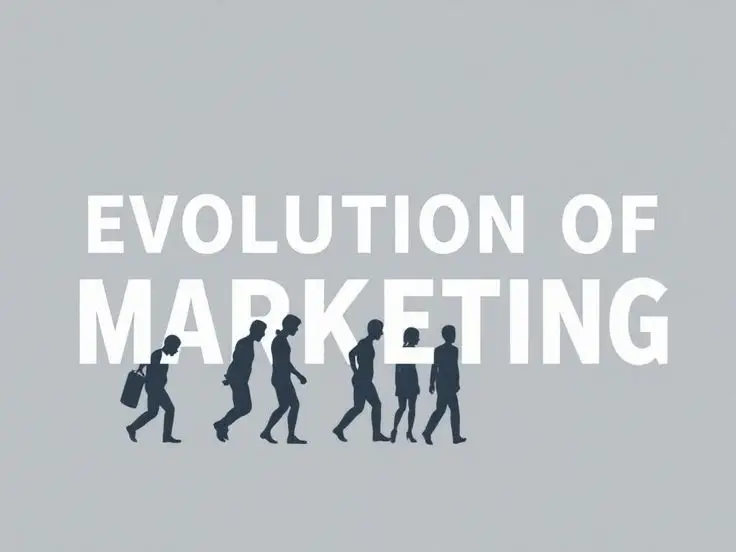
From Traditional Advertising to Digital Platforms
Marketing has undergone a significant transformation over the past two decades. Traditional advertising channels such as television, newspapers, and radio once dominated the industry. While these platforms had broad reach, they offered limited interaction and measurable feedback.
Digital platforms have revolutionized this model. Social media, search engines, and websites now allow brands to communicate directly with their audiences.
Consumers are no longer passive recipients of advertising messages. Instead, they actively engage with brands through likes, comments, shares, and purchases.
This shift marks the beginning of a more dynamic and interactive marketing landscape.
The Rise of Data-Driven Marketing
Data has become the backbone of modern marketing strategies. Every online interaction produces valuable insights into customer behavior.
Businesses can now analyze:
- Website visits
- Social media engagement
- Purchase patterns
- Customer preferences
These insights allow marketers to design campaigns that resonate deeply with their audiences.
In the future, advanced analytics and predictive modeling will enable brands to anticipate customer needs before they even arise.
2. Artificial Intelligence and Marketing Automation
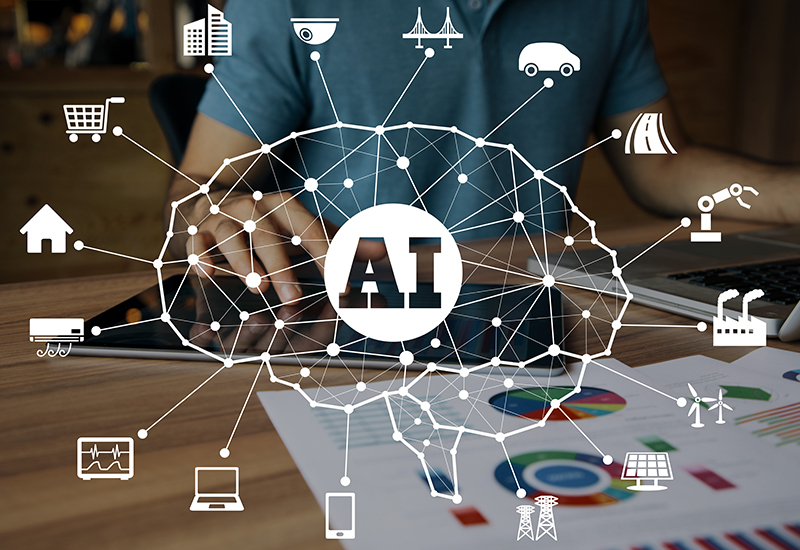
AI-Powered Customer Insights
Artificial intelligence is reshaping how marketing decisions are made. AI systems can analyze vast amounts of data and identify patterns that humans might overlook.
With AI tools, businesses can:
- Predict customer behavior
- Analyze online sentiment
- Personalize recommendations
- Improve marketing strategies
As AI technology advances, marketers will gain deeper insights into customer preferences and expectations.
Marketing Automation and Efficiency
Marketing automation tools have significantly improved efficiency across digital campaigns.
These tools help automate:
- Email marketing campaigns
- Lead generation processes
- Customer segmentation
- Ad performance optimization
Automation allows businesses to scale their marketing efforts while maintaining consistent communication with customers.
Rather than replacing marketers, automation enhances their ability to focus on creativity and strategic planning.
3. Personalization at Scale
Hyper-Personalized Customer Experiences
Modern consumers expect brands to deliver personalized experiences. Generic marketing messages often fail to capture attention.
Personalization enables businesses to tailor content based on individual customer behavior.
Examples include:
- Product recommendations based on browsing history
- Personalized email marketing
- Targeted advertisements
- Customized website experiences
This approach makes customers feel understood and valued.
Predictive Marketing and Behavioral Targeting
Predictive marketing uses historical data and algorithms to forecast customer actions.
By understanding behavioral patterns, marketers can deliver relevant messages at the right moment.
For instance, a customer researching travel destinations might receive personalized offers from airlines or hotels.
This proactive strategy improves engagement and significantly increases conversion rates.
4. The Growing Power of Content Marketing
Interactive and Immersive Content
Content remains one of the most powerful pillars of digital marketing. However, the way content is presented continues to evolve.
Interactive formats are gaining popularity because they encourage deeper audience participation.
Examples include:
- Interactive quizzes
- Live webinars
- Video storytelling
- Interactive infographics
These formats capture attention and create memorable brand experiences.
Authentic Storytelling in Brand Communication
Consumers today value authenticity more than ever. They prefer brands that communicate transparently and share meaningful stories.
Storytelling allows businesses to connect emotionally with their audiences by highlighting:
- Customer success stories
- Brand values
- Company culture
- Social responsibility initiatives
Authentic storytelling builds credibility and strengthens long-term customer relationships.
5. Voice and Visual Search
The Rise of Voice Assistants
Voice search is becoming increasingly popular with devices like smart speakers and mobile assistants.
People now search using natural language instead of typing short keywords.
To adapt to this shift, marketers must optimize content for:
- Conversational keywords
- Question-based search queries
- Featured snippets
Voice search optimization will become an essential part of future SEO strategies.
Visual Search and Image Recognition
Visual search technology enables users to search using images instead of text.
For example, consumers can take a photo of a product and instantly find similar items online.
This innovation simplifies product discovery and enhances the shopping experience.
Brands that optimize their images for search engines will gain a competitive advantage in the future digital marketplace.
6. Privacy, Ethics, and Consumer Trust
Data Protection and Transparency
As digital marketing becomes increasingly data-driven, concerns about privacy continue to grow.
Consumers want to understand how their data is collected and used.
Businesses must prioritize transparency by clearly communicating their data policies and respecting user preferences.
Strong data protection practices not only ensure compliance with regulations but also build consumer confidence.
Building Long-Term Customer Trust
Trust is the foundation of successful digital marketing.
Companies that maintain ethical marketing practices and respect customer privacy will earn long-term loyalty.
Ethical marketing includes:
- Honest communication
- Transparent advertising
- Responsible data usage
When customers trust a brand, they are far more likely to become loyal advocates.
7. Emerging Technologies in Marketing
Augmented Reality and Virtual Reality
Augmented reality (AR) and virtual reality (VR) are transforming digital experiences.
These technologies allow customers to interact with products in immersive ways.
Examples include:
- Virtual clothing try-ons
- Furniture placement visualization
- Interactive product demonstrations
These innovations reduce purchasing uncertainty and improve the online shopping experience.
Blockchain in Digital Advertising
Blockchain technology offers promising solutions for transparency in digital advertising.
It can help reduce advertising fraud and ensure that marketing budgets are spent efficiently.
By creating decentralized records of transactions, blockchain provides greater accountability within the advertising ecosystem.
While still developing, this technology may play a significant role in the future of digital marketing.
Frequently Asked Questions
What is the future of digital marketing?
The future of digital marketing will be driven by artificial intelligence, automation, personalization, and immersive technologies like augmented reality and virtual reality.
How will AI impact digital marketing?
AI helps marketers analyze large datasets, predict customer behavior, automate campaigns, and deliver highly personalized experiences.
Why is personalization important in digital marketing?
Personalization improves customer engagement by delivering relevant content and offers tailored to individual user preferences.
What are the biggest digital marketing trends?
Some of the biggest trends include artificial intelligence marketing, voice search optimization, video marketing, immersive technologies, and data-driven personalization.
Conclusion
The future of digital marketing will be shaped by technological innovation, data intelligence, and evolving consumer expectations.
Artificial intelligence, automation, immersive content, and ethical data practices will redefine how brands interact with their audiences.
Businesses that embrace these changes early will gain a powerful advantage in an increasingly competitive digital landscape.
Ultimately, the most successful marketing strategies will remain centered around a timeless principle: understanding people and delivering genuine value.
Need Help Growing Your Business Online?
If you want to expand your digital presence, Digital Dynamic World offers expert services including:
- Search Engine Optimization (SEO)
- Content Marketing
- Social Media Marketing
- Website Development
- Digital Advertising
Start building a powerful online presence today.